March 2, 2026
This blog provides a comprehensive guide on whether to choose a tank or tankless water heater for your next water heater replacement. Continue reading about the pros and cons of each option, financial considerations, efficiency, installation process, and more. Making the right choice involves understanding how each type of heater operates, its benefits, drawbacks, and how it fits into household needs and budget. By assessing energy efficiency, upfront costs, and long-term savings, homeowners can make an informed decision for their next water heater replacement.
Overview of Tank Water Heaters
How Tank Water Heaters Work
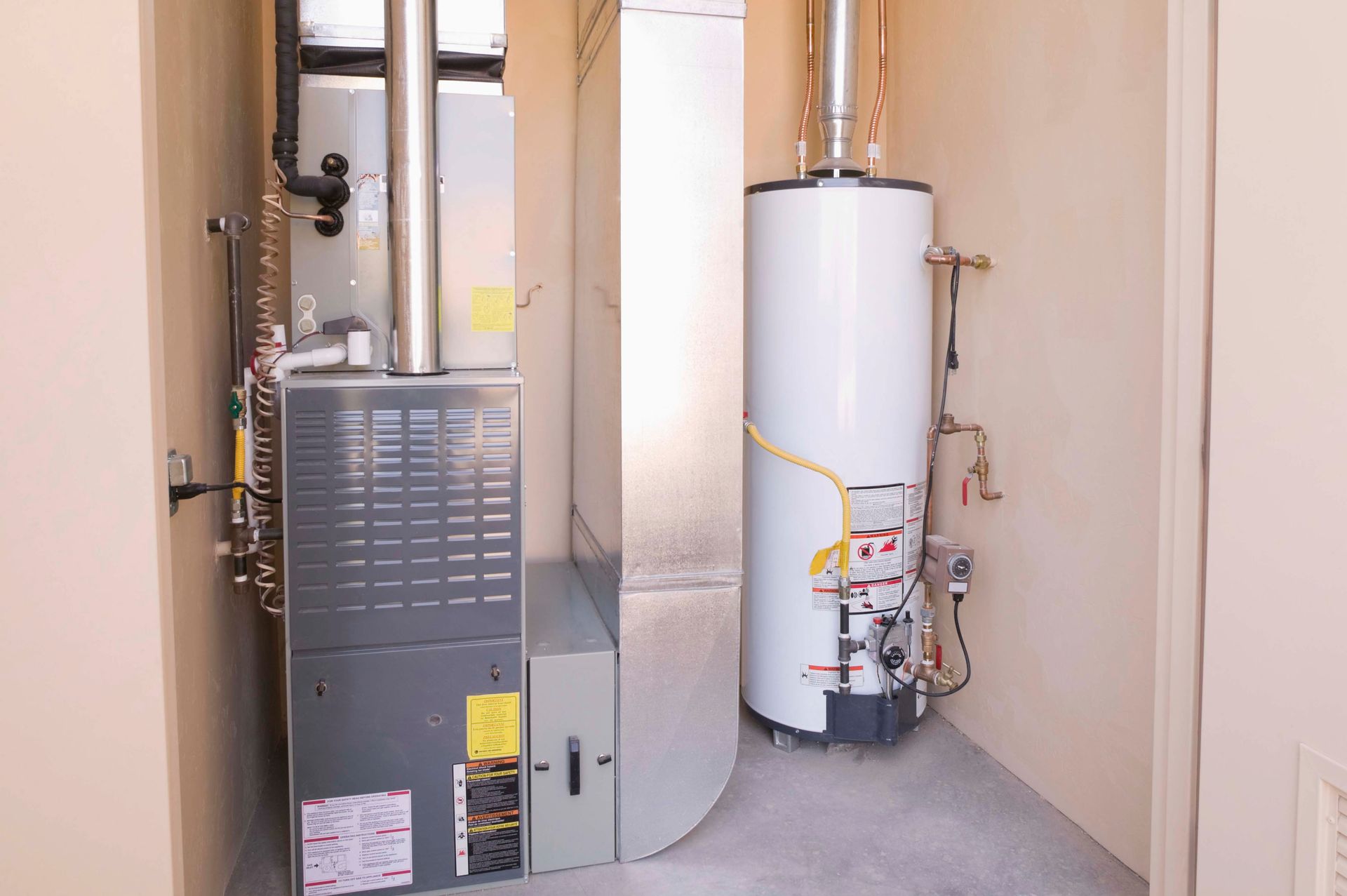
Tank water heaters operate by heating a large volume of water stored in a cylindrical tank. This design allows households to access a ready supply of hot water, maintained at a consistent temperature. The water in the tank is heated using either electricity or gas, remaining warm due to insulation within the tank walls. Once the hot water is used, the tank refills and reheats the incoming cold water to provide continuous access. This operational principle has made tank water heaters a traditional choice for many homes, despite the inherent limits on available hot water and the energy required to keep the water heated even when not in use.
Common Sizes and Capacities
Tank water heaters come in various sizes and capacities. The appropriate size for a household typically depends on the number of occupants and their hot water usage patterns. For instance, a family of four might find a bigger tank sufficient for daily needs. However, larger families or those with high hot water demands may require a larger capacity to avoid running out of hot water during peak usage times. Selecting the correct tank size is crucial, as an undersized tank can lead to shortages, while an oversized unit may result in unnecessary energy consumption.
Advantages of Tank Water Heaters
The primary advantage of tank water heaters is their lower initial cost compared to tankless systems, making them an attractive option for budget-conscious homeowners. Installation of tank models is generally simpler, reducing labor costs and the complexity associated with the installation. Additionally, most plumbing systems are designed to accommodate tank heaters, minimizing the need for costly infrastructure changes. Tank heaters also have the advantage of providing a reserve of hot water, which can be crucial during power outages, albeit only for a limited amount of time. Their familiarity and ease of replacement contribute to their continued popularity.
Limitations of Tank Water Heaters
Despite their advantages, tank water heaters have several limitations, primarily related to energy efficiency. Because they maintain a constant supply of heated water, energy is wasted keeping the water hot, leading to higher utility bills. They also require substantial space for installation, which can be a constraint in smaller homes or apartments. Furthermore, tank heaters have a limited supply of hot water, and simultaneous high demand can quickly deplete the reservoir, resulting in periods without hot water. Longevity is another concern; tank systems generally last several years in our experience, often necessitating water heater replacement sooner than their tankless counterparts.
Maintenance and Longevity
Regular maintenance is crucial to extend the lifespan of a tank water heater and improve its energy efficiency. Routine tasks include flushing the tank to remove sediment buildup, inspecting the anode rod for corrosion, and ensuring there are no leaks. Despite these efforts, tank heaters have a relatively shorter lifespan compared to tankless models, typically requiring water heater replacement every decade. Reactive replacements, according to Puls, occur in about 60% of cases when heaters fail, often involving higher costs due to emergency service fees. Planning a proactive water heater replacement may prevent these additional costs and reduce inconvenient service disruptions.
Overview of Tankless Water Heaters
How Tankless Water Heaters Work
Tankless water heaters, also known as on-demand heaters, do not store hot water but rather heat it directly as it passes through the unit. When a hot water tap is turned on, cold water travels through a pipe into the unit where a gas burner or electric element heats the water instantly. This means no standby heat loss, which is a common inefficiency in traditional tank systems. The compact size and efficiency make tankless systems attractive, especially for homes where space conservation and energy savings are priorities. However, understanding the flow rate capabilities of tankless systems is essential, as they have a limited capacity to deliver hot water simultaneously.
Flow Rates and Sizing Options
Choosing the appropriate tankless water heater involves carefully considering the household's peak hot water demands and the unit's flow rate. Flow rate, measured in gallons per minute (GPM), determines how much hot water the unit can deliver. For example, smaller units might handle two fixtures, such as a shower and a sink, while larger units could manage multiple showers and appliances at once. It's essential to calculate household needs accurately to avoid the frustration of an insufficient hot water supply during peak times. Professional consultation can help in sizing and determining which model best suits household usage patterns.
Advantages of Tankless Water Heaters
Tankless water heaters offer significant advantages, including improved energy efficiency since they heat water only when needed, resulting in lower utility bills. Their compact design allows for installation even in tight spaces, freeing up utility or storage areas. These systems also tend to have a longer lifespan than traditional tanks, often lasting 20 years or more with proper maintenance. Additionally, tankless heaters provide endless hot water, as long as the unit operates within its capacity, which can be a crucial benefit for large families or homes with high hot water demands. This efficiency and flexibility make them appealing for modern homes seeking both cost and space savings.
Limitations of Tankless Water Heaters
The primary drawback of tankless water heaters is the higher upfront cost, both for the unit itself and for the often complex installation process. Homes switching from a traditional tank system may require upgrades to electrical capacity or gas lines, adding to the expense and installation time. Despite the lower long-term operational costs, these initial financial hurdles can be a barrier for some homeowners. In addition, tankless systems may struggle to provide hot water to multiple outlets simultaneously without a drop in performance, making it essential for users to understand and manage their household's hot water usage patterns effectively.
Maintenance Needs and Expected Lifespan
Although tankless water heaters are more efficient, they require regular maintenance to ensure optimal performance and extend their lifespan. This includes periodic descaling to prevent mineral buildup, which can impair function and heating efficiency, and regular inspection to ensure all components are functioning correctly. With proper upkeep, a tankless heater typically lasts about 20 years in our experience, which can justify the initial higher investment costs. As with tank systems, replacing an old or failing unit before a complete breakdown can save on unplanned expenses and avoid service interruptions. Given the longevity and efficiency benefits, tankless heaters often offer a favorable return on investment.
Choosing between water heaters comes down to your household's hot water demands, available space, budget, and long-term efficiency goals. By weighing upfront costs against lifespan, performance, and energy savings, homeowners can select a system that delivers reliable comfort while supporting their financial and environmental priorities. For your next water heater replacement, contact us at Doro Plumbing today.